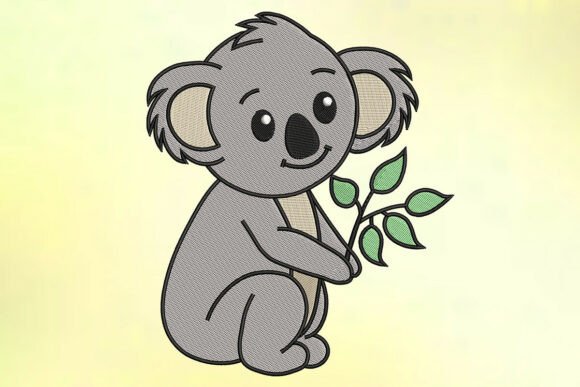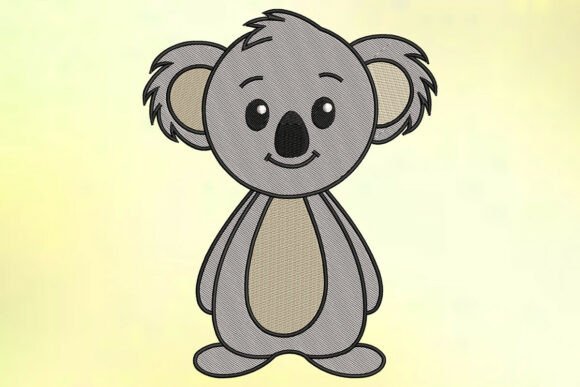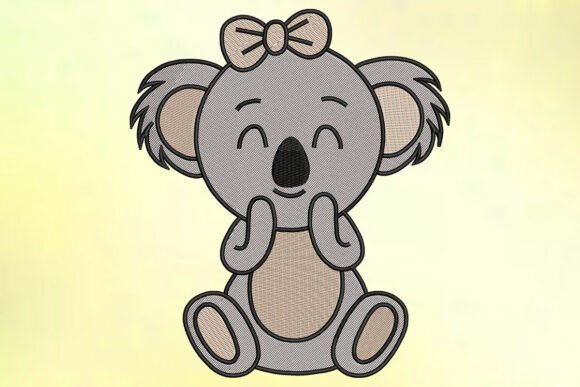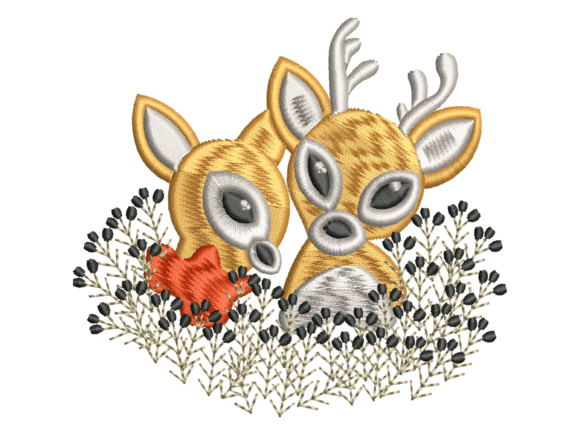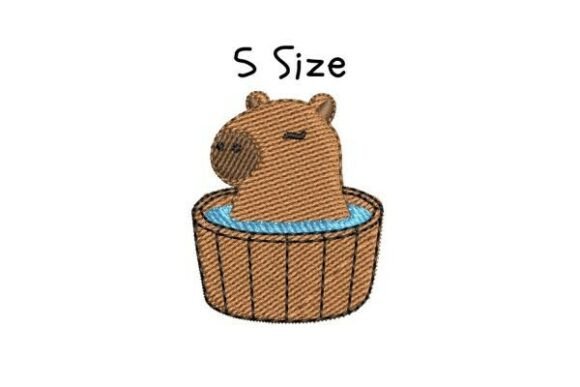
Capybara Embroidery Design
Why This Design Fits Right Into My Next Etsy Collection
As someone who’s curated over 200 embroidery designs for my small shop—and shipped thousands of embroidered tote bags, baby blankets, and custom sweatshirts—I approached the Capybara Embroidery Design with both curiosity and caution. Capybaras are having a moment: soft, gentle, quietly joyful. That makes this design more than just “cute”—it’s emotionally resonant. For Etsy sellers and craft business owners, that kind of quiet charm translates directly into higher engagement, better photo appeal, and stronger gifting potential.
A Playful Yet Polished Visual Personality
The Capybara Embroidery Design lands squarely in the playful, modern, and subtly premium category—not overly cartoonish, not too minimalist. It reads as friendly but intentional. That balance is gold for handmade product sellers: it works on a linen kitchen towel without looking childish, and it feels special enough for a personalized baby gift or boutique apron. Unlike seasonal or trend-dependent motifs (think pumpkins or snowflakes), capybaras carry year-round appeal—gentle, gender-neutral, and universally disarming.
Where This Design Shines in Real Product Applications
- Tote bag design: The clean silhouette and moderate detail hold up beautifully at medium sizes (4–5 inches wide) on canvas or cotton duck—ideal for eco-conscious shoppers browsing Etsy.
- Sweatshirt embroidery: Paired with soft fleece or French terry, the capybara’s rounded shape complements relaxed-fit apparel. Its low-to-mid stitch density (based on typical Creative Fabrica embroidery standards) means less puckering and smoother wear.
- Baby embroidery: As a Baby Animals category design, it’s instantly soothing—perfect for onesies, burp cloths, or heirloom-style baby blankets. No sharp lines or aggressive contrast, so it feels safe and tender.
- Kitchen towel embroidery: A single capybara near the corner adds warmth without overwhelming utility. Works especially well when stitched in tonal thread (e.g., oatmeal on natural linen).
- Embroidered patch: With five sizes included, you can easily resize for iron-on or sew-on patches—great for craft fairs, subscription boxes, or DIY kits.
Commercial Value Beyond the Stitch
This isn’t just a machine embroidery design—it’s a storytelling tool. Buyers scrolling Etsy don’t just see an animal; they see calm, connection, and quiet humor. That emotional hook helps listings stand out in crowded search results like “personalized gift for animal lovers” or “custom apparel for nature fans.” I’ve found that designs like Capybara Embroidery Design consistently boost conversion on personalized gifts because they feel thoughtful—not generic.
Photographing it is straightforward, too. The capybara’s smooth contours and balanced negative space make it highly legible even in thumbnail-sized Etsy listings. No tiny legs or intricate shading to blur on mobile screens. And because it’s scalable across five sizes, you can create cohesive mockups: same design on a pillow cover, a cap, and a tea towel—all part of one printable mockup series for your shop banner or Instagram carousel.
Practical Seller Notes Before You List
Before adding Capybara Embroidery Design to your product lineup, here’s what I always do—and recommend you do, too:
- Test the design first. Run a sample stitch-out on your most common fabric + stabilizer combo. Capybaras rely on smooth curves—so if your hoop tension or stabilizer choice causes distortion, you’ll catch it early.
- Photograph on real fabric. Don’t rely only on digital mockups. A crisp photo of the design stitched on your actual sweatshirt fabric tells buyers exactly what to expect—and builds trust.
- Compare thread color options. Try it in muted earth tones (sage, clay, warm gray) and classic neutrals (cream, charcoal, oat). Avoid high-contrast combos unless your brand leans bold—the capybara’s charm is in its softness.
- Check readability at thumbnail size. Zoom out to 25% in your listing preview. Does the shape read clearly? Does the face retain expression? If not, consider using the largest size or simplifying your background.
- Confirm hoop size and stitch density. Since the listing says “5 Sizes Instant Download” but doesn’t specify max dimensions or density, verify those details on the Creative Fabrica product page before committing to large-batch production.
- Review Creative Fabrica licensing. As a commercial embroidery seller, always double-check whether the license permits finished goods for resale—and whether attribution is required. Licensing varies by designer, even on the same platform.
How It Supports Broader Business Goals
For craft fair vendors and small shop owners, Capybara Embroidery Design supports low-risk expansion: add it to your existing line of embroidered home goods without rebranding or new photography overhead. For digital sellers, it pairs naturally with printable mockups or SVG bundles—creating cross-sell opportunities. And for anyone building a seasonal collection, it’s flexible enough to anchor a “Spring Calm” or “Nature Lover” theme without feeling dated come fall.
Most importantly, it helps handmade product sellers communicate care—not just craftsmanship. When customers see a well-executed capybara on a custom apron or baby blanket, they’re not just buying embroidery. They’re buying intention, warmth, and a little bit of joy. That’s the kind of value that earns repeat buyers, heartfelt reviews, and organic shares on social media.
Final Thought: A Quietly Strategic Addition
The Capybara Embroidery Design won’t shout—but it will linger. In a market saturated with loud, fast-trend designs, its gentle presence is a competitive advantage. It’s versatile enough for baby embroidery and kitchen towel embroidery alike, detailed enough to feel special but simple enough to stitch reliably, and emotionally resonant enough to elevate any personalized gift or custom apparel piece. If you’re evaluating Creative Fabrica embroidery files for your next batch of Etsy listings or craft fair inventory, this one deserves a spot on your shortlist—not because it’s trendy, but because it’s timeless in the right way.