Patriotic Animal Patches Embroidery File
First Impression: Charming, Playful, and Instantly Recognizable
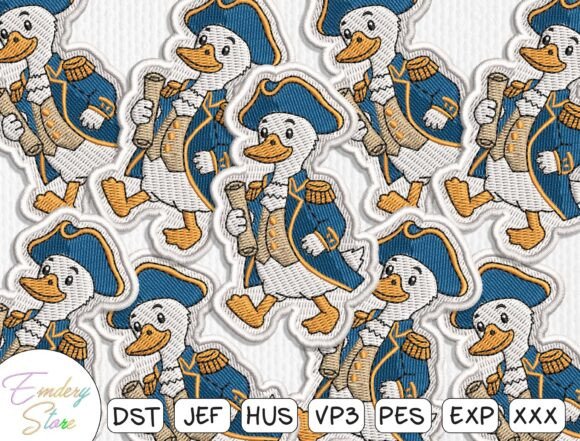
As an embroidery designer who’s prepped over 200 craft fair booths—from Asheville to Austin—I opened Patriotic Animal Patches Embroidery File expecting whimsy, and got exactly that: a cartoon-style Colonial Officer Duck with Scroll 🦆📜🎩. It lands somewhere between nostalgic Americana and lighthearted charm—neither overly serious nor cutesy to the point of losing its Independence Day resonance. It’s festive without being loud, detailed without feeling fussy, and distinctly handmade in spirit. That matters on a crowded market table where shoppers scan in under three seconds.
Where This Design Shines in Real-World Craft Fair Products
This isn’t a “one-size-fits-all” embroidery file—and that’s its strength. Patriotic Animal Patches Embroidery File performs best when treated as a curated focal point, not background filler. Here’s how it translates across your most common handmade products:
- Tote bags: Ideal as a centered chest patch (4–5" wide) on natural canvas or denim—clean, bold, and instantly legible from six feet away.
- Aprons: Works beautifully above the pocket or centered on the bib. The duck’s upright posture reads well on vertical fabric, and the scroll adds visual rhythm beside cooking tools or market signage.
- Tea towels: Excellent at 3.5–4.25" wide—large enough to read, small enough to leave room for folded hems and hanging loops. Avoid dense terry weaves; opt for smooth cotton or linen-blend towels for crisp stitch definition.
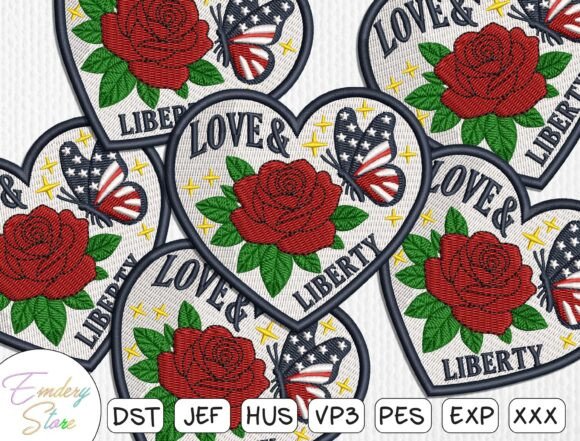
- Embroidered patches: A standout category. The design’s clear silhouette, balanced negative space, and defined edges make it highly wearable and collectible—especially when backed with iron-on or sew-on adhesive for easy gifting.
- Caps & pouches: Use at 2.75–3.25" max on curved surfaces. The duck’s face and hat hold up well, but test the scroll detail on high-crown caps—it can compress or blur if hooped too tightly.
- Pillow covers & market bags: At 5–6", it becomes a conversation starter—playful enough for boutique shelves, patriotic enough for July displays, and distinctive enough to avoid blending in with generic stars-and-stripes motifs.
What Makes It Sell—And What Requires Care
Shoppers at handmade markets respond to clarity, character, and craftsmanship—all three are present in Patriotic Animal Patches Embroidery File. Its cartoon style reads quickly, its colonial theme feels intentional (not cliché), and its proportions support both small accents and confident statement pieces.
But real-world production demands attention to detail:
- Dense stitch areas: The duck’s feather texture and scroll detailing carry moderate stitch density—avoid heavy backing on lightweight fabrics like chambray or voile unless you’re using cutaway stabilizer.
- Tiny details: The scroll’s script and hat trim may soften on textured towels or dark fabrics. Always test thread contrast—navy or burgundy thread pops on cream, but gold metallic can vanish on khaki twill.
- Small lettering: If the scroll includes text (e.g., “Liberty” or “1776”), confirm readability at your intended size—anything under 2.5" risks blurring on home embroidery machines.
- Fabric considerations: Thick canvas holds the shape well; looped terry or quilted cotton may swallow fine lines. For caps, use medium-density foam stabilizer to prevent puckering on curved fronts.
Photography, Listings, and Online Conversion
This design photographs exceptionally well—especially against neutral backdrops or styled with vintage books, mason jars, and burlap ribbons. As an Etsy seller or digital embroidery file creator, lean into printable mockups that show it on multiple products (tote + apron + patch set). Customers imagine ownership faster when they see context—not just a hoop shot. The duck’s expressive face and clean outlines also scale cleanly for thumbnails and mobile feeds, boosting click-through rates.
For batch production, Patriotic Animal Patches Embroidery File is highly repeatable: consistent spacing, symmetrical layout, and minimal jump stitches mean fewer thread breaks and faster turnaround per piece—critical when prepping 30+ items for a weekend fair.
Design Notes Every Embroidery Professional Should Run Before Booth Day
Before cutting fabric or uploading files, do these six checks:
- Test the design on scrap fabric matching your final product—same weight, weave, and dye lot.
- Verify thread color contrast under natural light *and* booth lighting (many craft fairs use warm LED strings).
- Review spacing between duck elements and scroll—if too tight, it may fill in on low-tension machines.
- Confirm hoop size compatibility—some versions of this design may require a 5x7" hoop minimum.
- Inspect stitch density in the feather zones—excessive fill can cause stiffness on soft apparel like kids’ aprons.
- Use appropriate stabilizer: tear-away for stable wovens, cutaway for knits or stretchy blends, and fusible for patches meant to be ironed on later.
And always create at least one finished product mockup—not just a stitched swatch. Drape it on a tote, pin it to a cap, hold it beside your other bestsellers. Does it hold its own? Does it invite touch? Does it feel like something someone would buy *twice*—once for themselves, once as a gift?
Final Verdict: A Smart, Standout Addition to Your Independence Day Line
Patriotic Animal Patches Embroidery File isn’t just another holiday design—it’s a brand-builder. It elevates simple handmade products with wit, warmth, and unmistakable craft energy. On a booth table full of red-white-and-blue samplers, it draws smiles before sales. For Etsy sellers, it adds personality to listings that otherwise compete on price alone. For small shop owners, it supports cohesive collections—think matching patch sets, tea towel + apron bundles, or embroidered pouch + tote gift boxes.
It doesn’t try to be everything. It’s not minimalist. It’s not ultra-modern. But it *is* memorable, producible, and deeply aligned with what handmade customers seek: authenticity, joy, and visible care in every stitch. Just remember: check your commercial license before selling finished products, compare fabric colors in daylight, and—above all—stitch one real version before committing to fifty.