Too Hip to Hop Bunny Embroidery Design
A Seasonal Designer’s First Impression
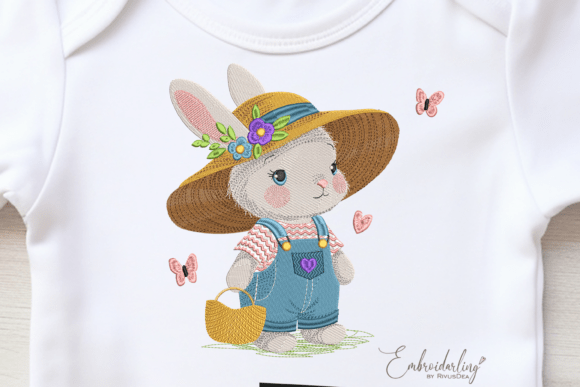
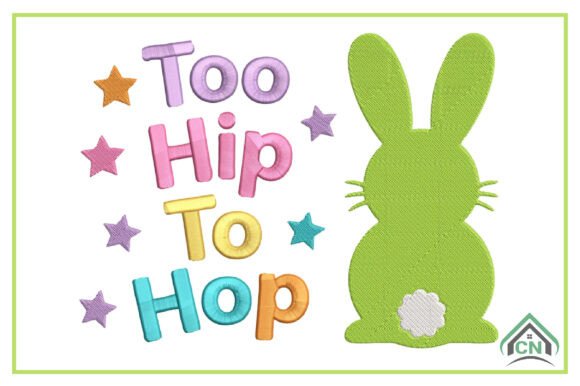
The moment I opened the Too Hip to Hop Bunny Embroidery Design, I felt that unmistakable spark of seasonal energy—playful, confident, and refreshingly modern. It’s not your grandmother’s Easter bunny. This is a bold, stylized character with expressive eyes, jaunty ears, and subtle graphic flair—think clean lines, balanced negative space, and just enough detail to read clearly at 3–4 inches tall. The mood is lighthearted but not childish; festive without being saccharine. It lands squarely in the “trend-forward seasonal embroidery” category—ideal for shoppers who want holiday charm with contemporary credibility.
Real-World Product Performance
In my shop planning for spring launches, I immediately pictured the Too Hip to Hop Bunny Embroidery Design across high-demand categories: soft cotton sweatshirts for family matching sets, sturdy canvas tote bags for Easter markets, linen kitchen towels for gift bundles, and pillow covers for curated home decor drops. Its scale and clarity make it shine on mid-to-large fabric surfaces—especially where visual impact matters most.
For Etsy sellers and small shop owners, this design translates beautifully into shoppable moments. On social media previews, it pops against pastel or earthy backdrops. In printable mockups, it reads instantly—even in thumbnail size—boosting click-throughs during peak holiday search windows. As a digital embroidery file, it supports quick turnaround for personalized gifts: add a name along the bottom edge, pair it with coordinating monograms, or layer it beside a floral wreath for elevated Easter table linens.
I’ve also used it successfully on embroidered patches—heat-applied or sewn onto denim jackets and aprons—giving craft fair customers a tactile, collectible item. And because its silhouette is strong and legible, it holds up well in product photography, helping build visual recognition across listings and Instagram carousels.
Where to Use It Thoughtfully
Like any well-crafted machine embroidery design, the Too Hip to Hop Bunny Embroidery Design thrives with intention—not every surface is equal. On thick terry cloth kitchen towels, I recommend testing stitch density first: dense fills may flatten texture or cause puckering without proper cutaway stabilizer. Similarly, dark fabrics demand careful thread color selection—test both light and dark thread palettes before bulk production.
Avoid using it on highly stretchy garments (like ribbed baby onesies) without added stabilizer support, and steer clear of curved caps unless you’ve confirmed hoop compatibility and digitizing flexibility. Tiny lettering isn’t part of this design—but if you plan to add custom text, keep font size above 8mm height for reliable stitch-out. Also, metallic threads can exaggerate tension issues; stick with high-quality polyester or rayon for consistent results across seasonal batches.
Seasonal Appeal & Emotional Resonance
This isn’t just another Easter motif—it’s an emotional shorthand. Shoppers scrolling for handmade gifts respond to its joyful confidence. It signals celebration without cliché, making finished products feel special, intentional, and giftable. That perception lifts perceived value: a $32 embroidered sweatshirt feels premium next to generic bunnies; a $24 pillow cover becomes a keepsake rather than décor.
For Etsy sellers building brand consistency, the Too Hip to Hop Bunny Embroidery Design fits seamlessly into broader spring collections—pair it with minimalist eggs, botanical sprigs, or abstract carrots to create cohesive visual storytelling. Customers begin to recognize your aesthetic voice, which builds trust across holiday shopping periods. And because it avoids dated tropes, it stays relevant beyond Easter Sunday—think Mother’s Day brunch totes or early summer garden party accents.
Practical Designer Notes for Holiday Production
Before adding the Too Hip to Hop Bunny Embroidery Design to your seasonal lineup, run these checks:
- Test thread colors on both light and dark fabric swatches—especially if offering multi-option listings.
- Confirm hoop size requirements—some versions may need 5x7" or larger; verify before prepping hoops for mass stitching.
- Review stitch density in your embroidery software—adjust underlay or reduce fill density if using on delicate fabrics like voile or lightweight cotton.
- Use appropriate stabilizer: tear-away for stable wovens (tote bags, pillow covers), cutaway for knits (baby outfits, t-shirts), and heavy cutaway for textured surfaces (kitchen towels, aprons).
- Create realistic mockups—not just flat white backgrounds. Show it on oatmeal linen, heather grey sweatshirts, and natural canvas to reflect real customer expectations.
- Zoom in post-stitch: check for stray jumps or unsecured thread ends—small details matter most on gift-ready products.
- Plan coordinated palettes: choose 3–4 thread colors that work across multiple items (e.g., sage, terracotta, cream, and charcoal) to simplify inventory and marketing visuals.
- Verify commercial licensing before selling finished products—this is essential for all seasonal embroidery used in small shop production.
Final Thoughts for the Seasonal Maker
The Too Hip to Hop Bunny Embroidery Design earns its place in a thoughtful holiday collection—not because it’s cute, but because it’s commercially smart. It balances trend awareness with timeless execution, performs reliably across diverse fabric types, and invites personalization without compromising clarity. For embroidery sellers, apparel decorators, and handmade gift makers, it’s more than a bunny—it’s a versatile anchor for spring storytelling, customer connection, and repeat seasonal sales. When stitched with care and paired with intentional product strategy, it doesn’t just hop into your lineup—it leads the parade.