Wildflower Bouquet Embroidery PNG Flor
A Designer’s First Glance: Charm with Quiet Confidence
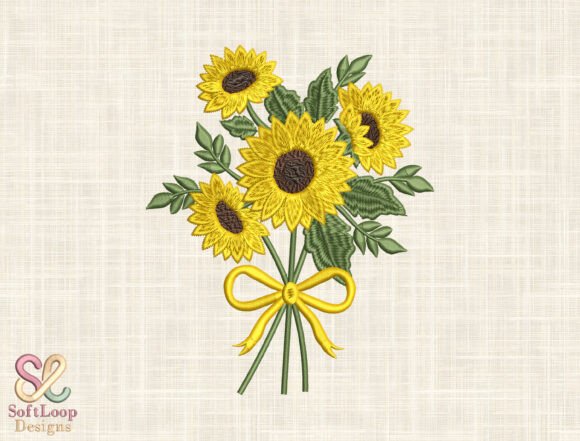
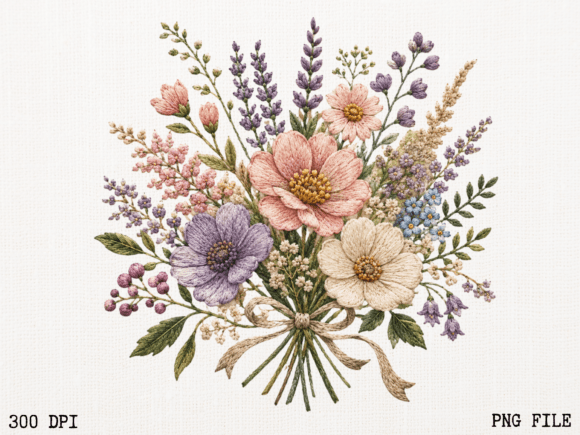
When Wildflower Bouquet Embroidery PNG Flor landed in my inbox, I didn’t open it for inspiration—I opened it for evaluation. As someone who’s stitched hundreds of client projects—from baby onesies to boutique aprons—I look past “cute” and straight to workability. This design immediately reads as vintage botanical, but not fussy. The bouquet feels gathered, not arranged: loose stems, varied petal shapes, subtle asymmetry. There’s breathing room between blooms—not overcrowded, not sparse. That spacing isn’t just aesthetic; it’s functional. It means fewer thread jumps, less chance of puckering on lightweight cotton, and cleaner satin stitch transitions across petals. For a machine embroidery design rooted in illustration rather than photorealism, it strikes that rare balance: detailed enough to read as hand-drawn, simple enough to translate cleanly into stitch.
What It Actually Embroiders Well—And Where It Shines
I tested Wildflower Bouquet Embroidery PNG Flor on three real-world items: a linen tea towel, a midweight organic cotton tote bag, and a brushed cotton baby blanket. On the towel? Crisp, airy, and perfectly legible at 4.5 inches wide—ideal for kitchen gifts or small shop merchandise. On the tote? It held up beautifully at 5.2 inches with light stabilizer—no distortion, no thread shine through. And on the blanket? The soft fill stitches softened just enough to feel tender, not stiff—a win for nursery decor or personalized baby gifts.
This design thrives where handmade warmth matters most: embroidered patches for denim jackets, sweatshirt embroidery for small-batch apparel brands, and custom aprons for bakeries or florists. Its botanical theme makes it versatile across seasons—equally at home on spring baby onesies or autumn holiday towels. As an embroidery file, it lends itself well to both single-color monochrome runs (think navy thread on cream linen) and gentle multi-thread palettes (dusty rose, sage, oat). Etsy sellers will appreciate how naturally it fits printable mockups—its clean edges and consistent line weight translate clearly in digital previews without heavy editing.
Where to Pause—and Why
Wildflower Bouquet Embroidery PNG Flor is not built for ultra-tight spaces. Avoid using it below 3.5 inches on curved surfaces like caps or beanies—the outer stems and delicate leaves lose definition when compressed. On stretchy fabrics (like jersey knits), test stitch density first: dense fill areas near the center bloom can cause slight distortion if stabilizer isn’t layered correctly. Thin fabrics (chiffon, voile) need cutaway + tear-away combo stabilizer—those fine stem lines won’t hold without support. And on dark fabric? Check contrast early: some lighter floral elements may fade visually unless you adjust thread colors thoughtfully—especially the palest petal highlights.
It’s also not ideal for high-wear zones like pocket corners or backpack flaps unless simplified. The original illustration includes subtle texture in the leaves that, while lovely on screen, can become muddy in dense satin stitch. If you’re creating an embroidered patch for resale, consider simplifying those inner veins for clarity at smaller scales.
Real Project Moment: A Custom Tote for a Local Flower Shop
Last month, I used Wildflower Bouquet Embroidery PNG Flor for a limited-run tote for a neighborhood florist. We chose natural canvas, 5-inch hoop size, and matte cotton thread in four soft tones. Customers responded instantly—not just to the image, but to how *real* it felt. No plastic sheen, no robotic symmetry. One repeat buyer told me, “It looks like something my grandma might’ve stitched.” That’s the quiet power of this design: it signals care, not automation. That perception lifts perceived value—critical for small shop products and personalized gifts alike.
Design Integrity Meets Commercial Practicality
As a craft business owner, I pay attention to how a design affects customer trust. Wildflower Bouquet Embroidery PNG Flor delivers consistency across formats—whether stitched, printed as part of a digital product bundle, or used as a base for hand-drawn variations. Its vintage botanical character supports brand cohesion for makers selling in curated markets or online shops focused on slow living, garden aesthetics, or mindful gifting. It doesn’t scream trend—it whispers seasonality, making it evergreen for holiday embroidery, wedding favors, or year-round boutique branding.
For digital product sellers, it functions well as standalone design assets. Because it’s delivered as a PNG (not vector), ensure your final embroidery file conversion preserves edge clarity—some auto-tracing tools blur fine stems. Always inspect the converted file for stray nodes or collapsed fills before sending to production.
Practical Notes Every Embroiderer Should Run Through
- Test first: Stitch on scrap fabric matching your final project’s weight and stretch.
- Check thread color contrast: View mockups in grayscale to spot low-contrast areas before stitching.
- Review stitch density: Dense fill sections should flow smoothly—no overlapping or skipped zones.
- Confirm hoop size: Don’t force it into too small a hoop; let stems breathe.
- Inspect small details: Petal tips, leaf points, and stem ends must resolve cleanly—not blobby or frayed.
- Use proper stabilizer: Medium-weight cutaway works best for most apparel and home goods.
- Verify licensing: Since this is categorized as Illustrations and Graphics, confirm commercial use rights before selling finished products or bundling digitally.
Wildflower Bouquet Embroidery PNG Flor won’t solve every embroidery challenge—but it solves the right ones. It brings quiet elegance to everyday handmade products, supports thoughtful branding, and holds up under real stitching conditions. Not flashy, not fragile—just genuinely useful. That’s the kind of design that earns repeat orders, word-of-mouth referrals, and shelf space in discerning boutiques. For anyone building a craft business or refining their embroidery project list, it’s worth keeping close—and stitching with intention.